Roof Leak Repair in Woodland Hills: Fast Help for Damaged and Leaking Roofs
A roof leak can begin as a small problem and become a much larger property concern when it is not addressed promptly. For homeowners and businesses searching for roof leak repair in Woodland Hills, identifying the source of the water and correcting the underlying roofing problem are important steps toward protecting the building.
Roof leaks can develop for many different reasons. Damaged shingles, cracked tiles, deteriorated flashing, worn seals, clogged drainage systems, damaged roof vents, and aging roofing materials can all create opportunities for water to enter. In some situations, a leak may appear after heavy rain or strong wind. In other cases, moisture can enter gradually and remain unnoticed until staining or other interior damage becomes visible.
Woodland Hills properties are exposed to significant sunshine throughout the year. Continuous exposure to heat and ultraviolet radiation can contribute to the gradual aging of roofing materials. Seasonal rain can then test areas that have already become worn or damaged. This combination makes regular roof inspections and timely repairs valuable parts of property maintenance.
One of the most frustrating aspects of a roof leak is that the visible water damage may not be located directly below the actual opening. Water can travel across roofing materials, underlayment, decking, insulation, or structural components before entering the interior. As a result, identifying the true source may require a careful inspection rather than simply sealing the first area where moisture appears.
Common interior warning signs include water spots on ceilings, damp walls, peeling paint, damaged drywall, wet insulation, musty odors, and discoloration around light fixtures or other openings. Some leaks may only become apparent during or shortly after rainfall, while others can cause persistent moisture problems.
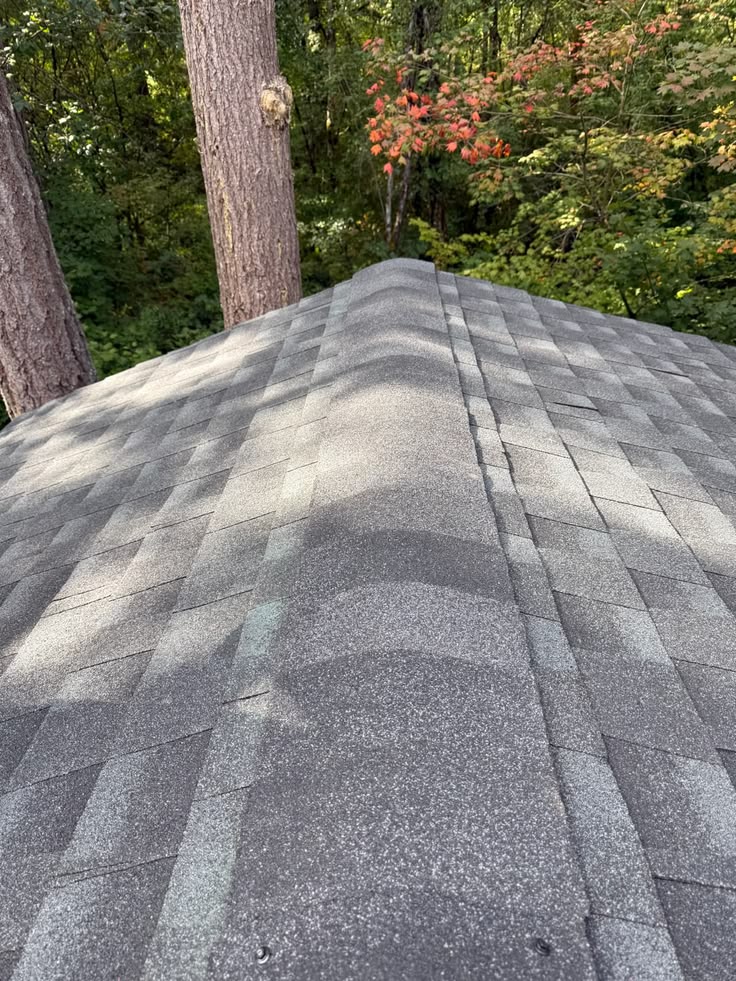
Exterior warning signs can also provide useful information. Property owners may notice missing roofing materials, cracked tiles, damaged shingles, deteriorated flashing, exposed underlayment, loose components, or areas where water does not drain properly. These conditions do not always mean that a complete roof replacement is necessary, but they should be evaluated.
Prompt attention can be particularly important when water is actively entering the building. Continuing moisture exposure can damage interior finishes and, in some cases, affect insulation, decking, framing, or other components.
For Woodland Hills property owners, the goal of roof leak repair is not simply to stop visible water temporarily. The objective is to identify the cause, repair the affected roofing system appropriately, and reduce the likelihood of the same problem returning.
Whether the leak is small or appears to be extensive, a professional evaluation can provide a clearer understanding of the roof’s condition and the steps needed to protect the property.
Common Causes of Roof Leaks in Woodland Hills Homes and Businesses
Roof leaks can originate from many different areas, and understanding the potential causes can help property owners recognize problems earlier. A leak does not necessarily mean the entire roofing system has failed. In many cases, a specific component has become damaged, worn, or improperly sealed.
One common source of roof leaks is damaged roofing material. Shingles can become cracked, torn, loose, or missing. Tile roofs can develop broken or displaced tiles. Other roofing systems may experience punctures, splits, surface deterioration, or damaged seams. Once the protective roofing layer is compromised, water may have a pathway into the underlying structure.
Flashing is another important area to inspect. Flashing is installed around locations where different surfaces meet or where roofing materials intersect with walls, chimneys, vents, skylights, and other penetrations. If flashing becomes loose, corroded, cracked, or improperly sealed, water may enter through these vulnerable points.
Roof penetrations are also frequent sources of leaks. Vents, pipes, HVAC equipment, skylights, and other components create openings in the roofing system. These areas require proper installation and sealing. Over time, sealants can deteriorate and flashing can become damaged, creating conditions where water can enter.
Drainage problems may contribute to leaks as well. Gutters, downspouts, drains, and other water-management components are designed to direct rainwater away from the building. When they become blocked or damaged, water may collect in areas where it should not remain.
Trees surrounding a property can also affect roofing systems. Falling branches can cause direct physical damage, while accumulated leaves and organic debris can interfere with drainage. Branches that repeatedly contact a roof may also contribute to gradual wear.
Age is another factor. Roofing materials are not designed to last indefinitely. As a roof approaches the later part of its expected service life, components may become increasingly vulnerable to weather exposure. Repairs may still be possible, but the overall condition of the system should be evaluated before deciding how to proceed.
Installation problems can sometimes contribute to recurring leaks. Improper flashing, inadequate drainage, unsuitable materials, or other workmanship issues may cause problems that appear repeatedly even after previous repairs.
Wind can create additional vulnerabilities. Strong winds may loosen roofing components or damage exposed edges and flashing. Even if the roof looks mostly intact after a storm, a professional inspection may identify less obvious damage.
Another potential concern is inadequate ventilation. Proper attic or roof ventilation can play a role in managing heat and moisture. Conditions within the roof assembly may contribute to material deterioration when ventilation is not functioning as intended.
Finding the source of a leak therefore requires looking beyond the obvious symptom. A ceiling stain is evidence that water has reached the interior, but it does not necessarily reveal where the water first entered the roofing system.
For Woodland Hills property owners, recognizing these potential causes can make it easier to respond when warning signs appear. A leak should not automatically be treated as a complete roof failure, but it should receive appropriate attention before moisture creates additional problems.
Professional Roof Leak Detection and Repair for Woodland Hills Properties
Effective roof leak repair begins with accurate leak detection. Stopping visible water without determining why it entered the building can leave the underlying problem unresolved. For this reason, a professional evaluation should focus on both the visible damage and the roofing components that may have allowed water to enter.
When inspecting a leaking roof, a roofing professional may examine shingles, tiles, membranes, flashing, valleys, roof edges, penetrations, vents, skylights, drainage areas, and other vulnerable locations. The exact inspection process depends on the roofing material and design.
The location of interior water damage can provide useful clues, but it should not automatically be assumed to be the leak source. Water can travel from its entry point before becoming visible inside the property. This is particularly important when a ceiling stain appears several feet away from an exterior roof feature.
Once the likely source has been identified, the contractor can evaluate the extent of the damage. A small area of damaged roofing may be repairable without disturbing the rest of the system. More extensive deterioration may require additional work.
Roof leak repair can take different forms. Damaged shingles may need to be replaced. Broken tiles may require removal and installation of new materials. Flashing may need to be repaired or replaced. Failed sealants can sometimes be renewed. Drainage issues may require cleaning, adjustment, or repair.
A professional roof leak inspection can help determine what is happening and what type of repair may be appropriate. Depending on the condition of the roof, a repair might involve replacing damaged materials, repairing flashing, sealing a roof penetration, correcting drainage problems, or addressing another localized defect.
The appropriate repair depends on the roofing system and the specific cause of the leak. A repair should be compatible with the existing roof and installed carefully so that the affected area remains properly integrated with surrounding materials.
Emergency roof leaks require particular attention. If water is actively entering the building during a storm, property owners may need temporary measures to reduce exposure while permanent repairs are arranged. Water should not be allowed to continue entering if avoidable, especially around electrical fixtures or areas containing valuable equipment.
After a leak has been repaired, property owners should also consider whether interior materials were affected. Roofing contractors can address the exterior roofing problem, while damaged drywall, insulation, flooring, or other interior components may require separate evaluation or restoration.
Preventive maintenance can help reduce the risk of future leaks. Regular inspections can identify deteriorating materials before they fail. Keeping gutters and drainage pathways clear can also help water move away from the structure.
Woodland Hills homeowners may benefit from inspecting their roof after significant weather events, particularly if they notice fallen branches, missing roofing materials, new stains, or other changes. Businesses and property managers can also incorporate roof inspections into broader building maintenance programs.
A repair estimate should clearly describe the problem being addressed and the proposed work. Property owners should understand which materials will be repaired or replaced and whether any additional issues were discovered during the inspection.
It is also important to distinguish between a repair and a replacement recommendation. A localized leak on an otherwise serviceable roof may be appropriately repaired. However, if the roofing system has widespread deterioration, repeated leaks, or extensive damage, replacement may need to be considered.
The purpose of professional leak detection is to make that distinction more understandable. Instead of guessing based on a ceiling stain or a small exterior defect, property owners can make decisions based on an inspection of the roofing system.
For residents and businesses in Woodland Hills, professional leak detection and repair can help address water intrusion while protecting the broader roofing system. The sooner a roofing concern is properly evaluated, the more clearly the available repair options can be understood.
Emergency Roof Leak Repair and Water Damage Prevention in Woodland Hills
A roof leak does not always happen at a convenient time. A storm can expose a damaged section of roofing, or a previously unnoticed problem can suddenly begin allowing water into the building. When water is actively entering a property, homeowners and businesses may need to take immediate steps to limit additional exposure.
Emergency roof leak repair begins with safety. Property owners should avoid placing themselves in dangerous areas of the roof, particularly during wet or windy weather. If water is entering near electrical fixtures, electrical safety should also be taken seriously. Professional assistance may be necessary to evaluate the roofing condition safely.
Temporary protection may sometimes be used while permanent repairs are being planned. Depending on the circumstances, a roofing professional may recommend temporary measures designed to limit additional water entry. These measures are not always a substitute for permanent repair, but they can help protect vulnerable areas while the underlying issue is addressed.
Storm-related roof damage can take several forms. High winds may loosen or remove roofing materials. Falling branches can puncture or break roofing components. Heavy rainfall can reveal weaknesses around flashing, vents, valleys, and other areas that were previously marginal.
After a storm, property owners should look for visible warning signs from a safe location. Missing shingles, displaced tiles, damaged gutters, fallen branches, and visible openings can indicate that the roof should be inspected. Interior signs such as new ceiling stains or dripping water are additional reasons to seek professional attention.
It is important not to assume that a roof is undamaged simply because there is no immediate interior leak. Some roofing problems may not become visible inside until the next significant rainfall. A professional inspection can help identify conditions that may require repair.
Preventing water damage is one of the primary reasons to address roof leaks promptly. Once water enters a building, it may affect drywall, insulation, wood components, flooring, cabinetry, stored belongings, and other materials. Extended moisture exposure can create additional repair requirements beyond the original roofing problem.
Commercial properties may face additional concerns when a roof leak affects offices, retail areas, warehouses, apartment buildings, or other occupied spaces. Water intrusion can interfere with operations and potentially damage equipment or inventory. Property managers may therefore need to coordinate roofing repairs quickly while also managing interior protection.
For homeowners, even a relatively small leak can become disruptive if it affects bedrooms, living spaces, kitchens, or other frequently used areas. Early professional attention may help limit the scope of the resulting damage.
Emergency roofing situations should still be approached carefully. Property owners should ask the contractor to explain what immediate measures are being taken and what permanent repairs will be required. Temporary work should be distinguished from the final repair so that expectations are clear.
Following an emergency repair, a more comprehensive inspection may be appropriate. The visible leak may have been caused by one damaged area, but the surrounding roofing system should also be evaluated for additional vulnerabilities.
Preventive maintenance can reduce the likelihood of future emergency situations. Periodic roof inspections, drainage maintenance, prompt repair of damaged materials, and attention to flashing and penetrations can all contribute to the long-term condition of a roofing system.
For Woodland Hills property owners, having a plan for roof leaks can make an unexpected problem easier to manage. Knowing who to contact, recognizing warning signs, and addressing roofing defects before they become emergencies can help protect the property.
Whether a leak develops after a storm or appears during ordinary rainfall, the priority is to identify the source, protect the building, and complete the appropriate permanent repair.
Woodland Hills Roof Leak Repair for Long-Term Roof Protection
Repairing a roof leak is only one part of maintaining a healthy roofing system. Once the immediate problem has been corrected, property owners should consider what caused the leak and whether other areas of the roof could develop similar problems.
A professional roofing evaluation can provide useful information about the overall condition of the system. Instead of focusing exclusively on the damaged spot, an inspection can consider roofing materials, flashing, drainage, penetrations, roof edges, ventilation, and other components.
This broader approach is particularly useful when a roof is older. An isolated repair may solve one leak, but an aging roofing system with widespread deterioration could continue developing new problems. In that situation, a contractor may explain the difference between continuing repairs and planning for eventual roof replacement.
A professional roof inspection can examine likely entry points and evaluate the surrounding materials. Once the cause is identified, the contractor can determine whether a localized repair is appropriate or whether broader roofing work should be considered.
Regular maintenance can help extend the useful service life of many roofing systems. Maintenance requirements vary depending on the material and design, but inspections and timely repairs are generally important parts of responsible roof care.
Property owners should also pay attention to drainage. Gutters and downspouts should be able to move rainwater away from the structure. Flat and low-slope roofs require their own drainage components to function properly. Leaves, branches, dirt, and other debris can interfere with water flow and should be addressed when appropriate.
Roof penetrations deserve continued attention as well. Vents, skylights, pipes, HVAC equipment, and other features can become potential leak points as seals and flashing age. During an inspection, these areas can be evaluated for deterioration or other conditions requiring maintenance.
Trees around a property should also be monitored. Overhanging branches can scrape against roofing materials, while falling limbs can cause sudden damage. Keeping surrounding vegetation appropriately maintained can help reduce some physical risks to the roof.
Homeowners should not wait until a ceiling stain appears before thinking about their roof. Visible interior damage often means that water has already passed through one or more layers of the building. Periodic professional inspections can provide an opportunity to identify exterior problems earlier.
Commercial property owners can benefit from the same approach. A planned maintenance schedule can help identify roof conditions before they interfere with business operations. Documentation of inspections and repairs can also make it easier to understand how the roofing system has changed over time.
When a repair is needed, quality materials and appropriate installation matter. A roofing repair should be integrated with the surrounding system rather than treated as an isolated patch whenever possible. The contractor should also explain any limitations associated with the repair.
For homeowners considering roof replacement, a leak can sometimes be an indication that the existing system is nearing the end of its service life. However, not every leak requires a new roof. The decision should be based on the overall condition of the roofing system, the extent of deterioration, repair history, and the property’s long-term needs.
Woodland Hills property owners can benefit from choosing a roofing professional who provides clear explanations and detailed recommendations. A good roofing project should leave the property owner understanding what was found, what was repaired, and what maintenance may be appropriate in the future.
If you are searching for roof leak repair in Woodland Hills, addressing the immediate problem is important, but long-term roof protection deserves attention as well. Identifying the cause of the leak, correcting related vulnerabilities, and maintaining the roof afterward can help reduce the chance of recurring problems.
A reliable roofing system is an important part of any property. With regular inspections, appropriate maintenance, timely repairs, and professional installation when replacement becomes necessary, homeowners and businesses can take practical steps toward protecting their buildings from water intrusion.
For Woodland Hills properties experiencing a roof leak, the first step is a professional evaluation. Once the source and extent of the problem are understood, you can determine whether the appropriate solution is a localized repair, additional maintenance, or a larger roofing project.
323-794-1188

