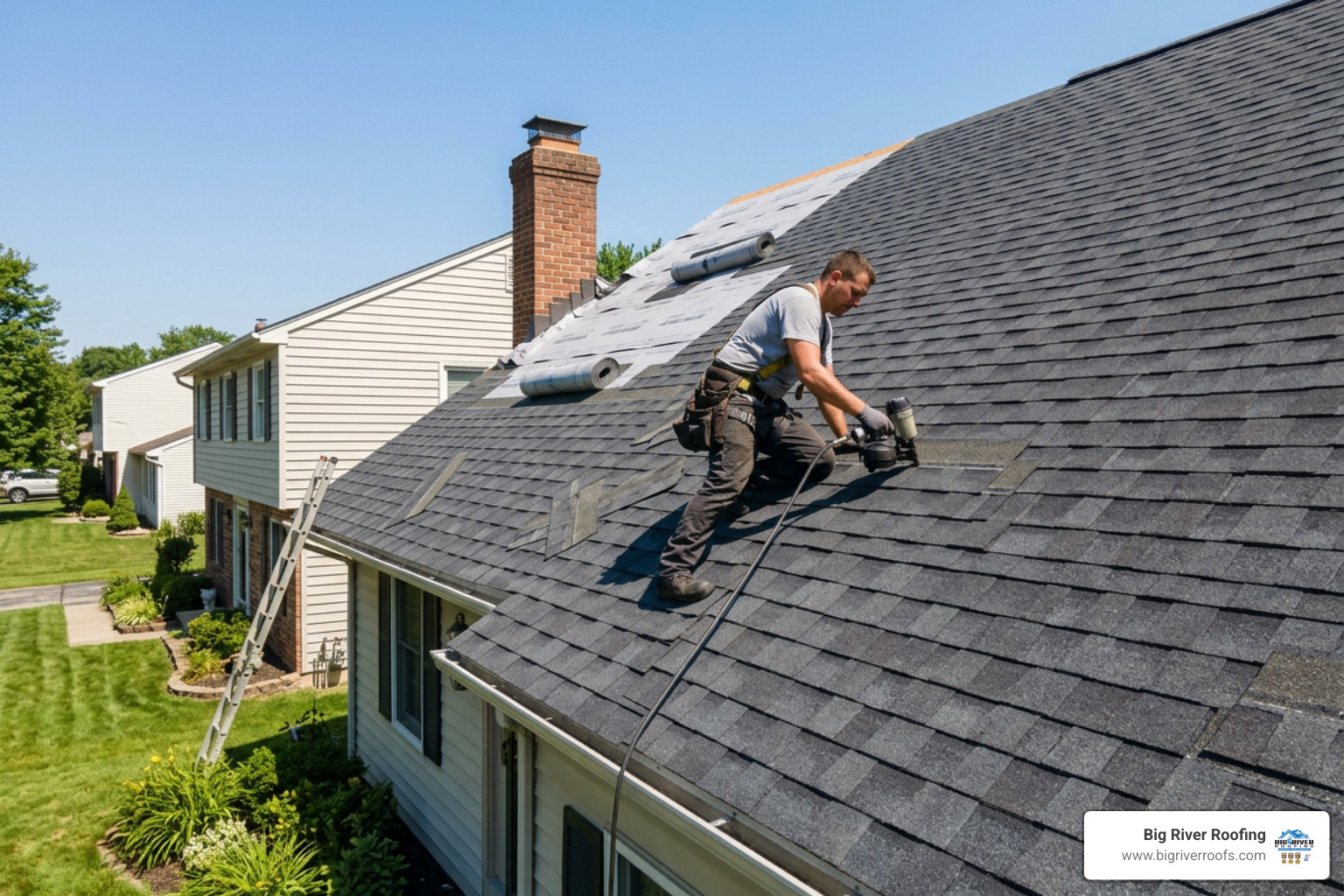
Professional Roofing Installation in Woodland Hills for New and Replacement Roofs
A properly installed roof is one of the most important investments a property owner can make. The roof protects the building from outdoor exposure while contributing to its appearance, comfort, and long-term condition. When you need a new roofing system or are replacing an aging roof, professional roofing installation in Woodland Hills provides the foundation for dependable performance.
Roof installation involves much more than placing new materials over a structure. The process requires planning, accurate measurements, appropriate material selection, careful preparation, and attention to details that can affect the finished roofing system. Every property has different characteristics, so installation should be tailored to the building rather than approached as a standard one-size-fits-all project.
The first step is understanding the existing structure and the requirements of the new roof. The roof’s slope, layout, existing materials, drainage configuration, penetrations, edges, and other features can influence the installation process. A professional evaluation can identify conditions that should be addressed before new roofing materials are installed.
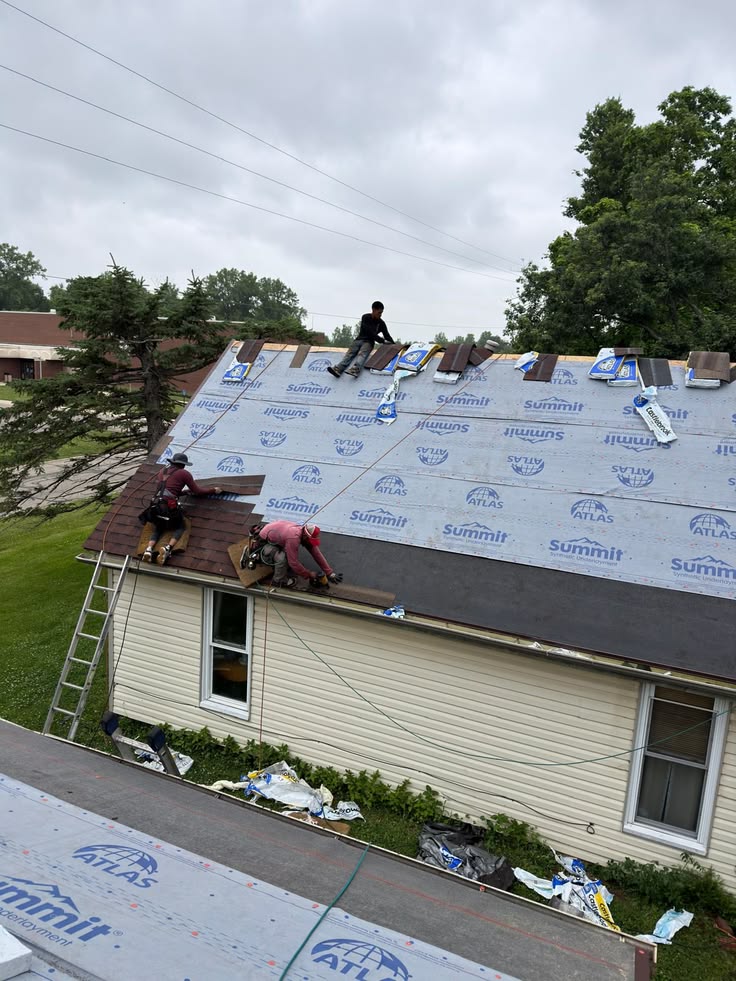
For replacement projects, the condition of the existing roof is particularly important. Old roofing materials may conceal damaged or deteriorated areas underneath. Depending on the condition discovered during preparation, certain underlying components may require repair or replacement before the new roof can be installed.
Material selection is another major consideration. Homeowners may choose from different roofing systems, including asphalt shingles, tile, metal, and other materials. The appropriate option depends on the property’s architecture, roof configuration, performance requirements, maintenance expectations, and project objectives.
Asphalt shingles offer a variety of styles and profiles for residential properties. Tile can provide a distinctive architectural appearance and is available in different shapes and materials. Metal roofing offers another option with its own design and installation characteristics. Flat and low-slope roofs may require specialized systems designed for their particular configuration.
Ventilation can be another consideration depending on the building and roofing assembly. A professional installer can evaluate relevant ventilation requirements as part of the overall roofing project.
For homeowners and property owners searching for roofing installation in Woodland Hills, choosing an experienced professional can provide greater confidence throughout the project. From initial evaluation and material selection to installation and final inspection, each stage contributes to the quality of the finished roof.
Choosing the Right Roofing Materials for Your Woodland Hills Property
Selecting roofing materials is an important part of any installation project. The material affects the appearance of the building, installation process, maintenance requirements, and overall characteristics of the roofing system. Because properties differ in design and construction, there is no single material that is ideal for every building.
Asphalt shingles are a popular option for residential roofing. They are available in multiple styles, profiles, and appearance options, allowing homeowners to select a look that complements the exterior of the property. Shingle systems can be suitable for many roof designs when properly installed.
Tile roofing is another option frequently considered for residential properties. Tile can provide a distinctive appearance and is available in different materials, shapes, and profiles. Because tile systems have specific installation requirements, proper preparation and professional installation are important.
Metal roofing can provide a different architectural appearance and may be suitable for various residential and commercial applications. Metal systems can have different panel designs, finishes, and installation methods, so selecting a system appropriate for the structure is important.
Commercial properties may require specialized roofing systems, particularly when the building has a flat or low-slope roof. These systems are designed differently from conventional steep-slope residential roofs and require attention to seams, drainage, penetrations, edges, and other details.
Material selection should also take the existing structure into account. The roof’s slope, architectural design, structural characteristics, and drainage configuration can affect which systems are appropriate.
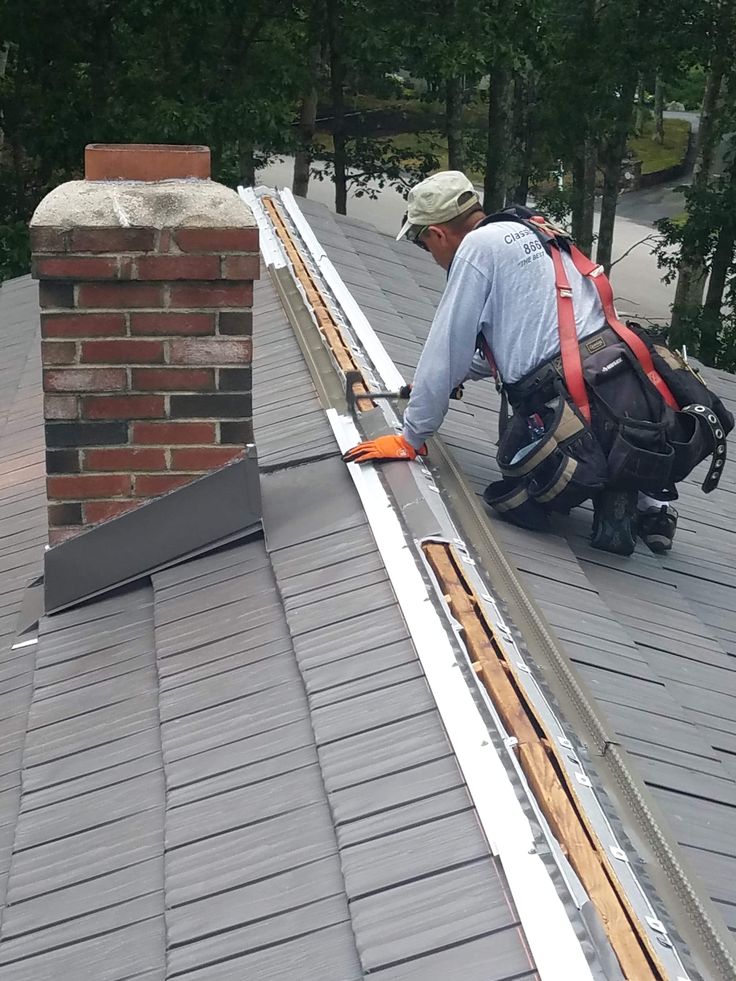
Appearance is an important consideration for many homeowners. A new roof can significantly change the visual character of a property. Roofing color, texture, profile, and material can be selected to complement stucco, siding, stone, windows, doors, and other exterior features.
Maintenance expectations are another factor. Different roofing materials have different care requirements and potential maintenance needs. Understanding these characteristics before installation can help property owners plan for the future.
Budget is naturally part of the decision as well. Property owners should consider both the initial project cost and the long-term requirements of the selected roofing system. A professional roofing contractor can explain available options and the differences between them.
Material quality alone does not guarantee a successful roof. Installation techniques are equally important. Even an appropriate roofing product can perform poorly when installed incorrectly or when important components are overlooked.
The supporting components of the roof should also be considered. Underlayment, flashing, fasteners, ventilation components, drainage elements, and other materials contribute to the overall roofing assembly.
For replacement projects, the installer should also evaluate whether the existing substrate and supporting materials are suitable for the new roofing system. Addressing underlying issues during installation can help avoid problems later.
Good installation begins with good preparation. Taking time to inspect the structure, select appropriate materials, and plan the work can help create a roofing system that performs as intended.
Homeowners in Woodland Hills can benefit from discussing roofing material options with a professional before beginning installation. An informed selection can take into account the building’s design, roofing configuration, desired appearance, maintenance expectations, and project goals.
With the right combination of materials and professional installation, a new roofing system can provide an attractive and functional improvement to the property while helping protect the building for years to come.
A roofing installation should also account for water management. Valleys, roof edges, penetrations, flashing, gutters, drains, and other components play important roles in directing water away from vulnerable areas. Properly addressing these details can help reduce the possibility of moisture intrusion.
Step-by-Step Roofing Installation for Woodland Hills Homes and Buildings
A successful roofing installation depends on careful preparation and an organized process. While every project is different, professional installation generally involves several important stages designed to create a complete and properly functioning roofing system.
The project begins with an evaluation of the property. The roofing contractor examines the existing roof, measurements, slope, materials, visible condition, drainage, penetrations, and other relevant features. This information helps determine the appropriate installation approach.
For a new construction project, the installer works with the building’s roofing design and structural requirements. For a replacement, the existing roofing system may need to be removed or prepared before new materials can be installed.
Once the project begins, protecting the surrounding property is an important consideration. Landscaping, exterior features, walkways, vehicles, and other areas may need to be considered while roofing materials are removed and installed.
The condition of the roof deck or underlying surface should be evaluated as preparation progresses. If deterioration is discovered, the affected areas may require appropriate repair before the new roofing materials are installed.
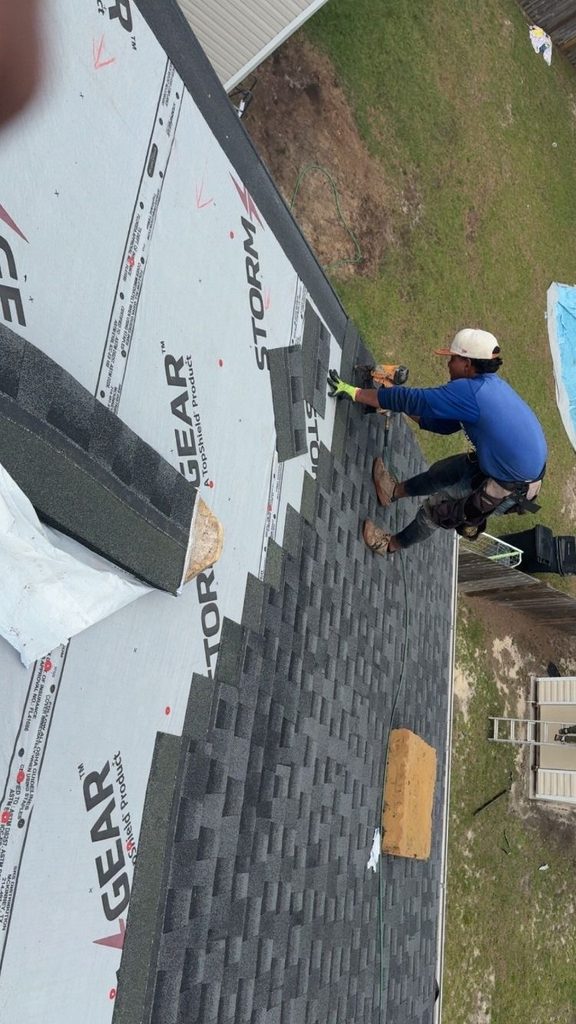
Underlayment and other protective layers may then be installed according to the selected roofing system. These components can provide an additional layer of protection beneath the visible roofing material.
Flashing is installed around vulnerable transitions and penetrations. Roof-to-wall intersections, chimneys, vents, skylights, valleys, and other locations require careful attention because they can be susceptible to water intrusion.
The primary roofing material is then installed according to the requirements of the selected system. Shingles, tiles, metal panels, or other products each have their own installation procedures.
Edges and transitions receive additional attention during the installation process. Properly finished edges can help protect vulnerable portions of the roofing system and contribute to the finished appearance.
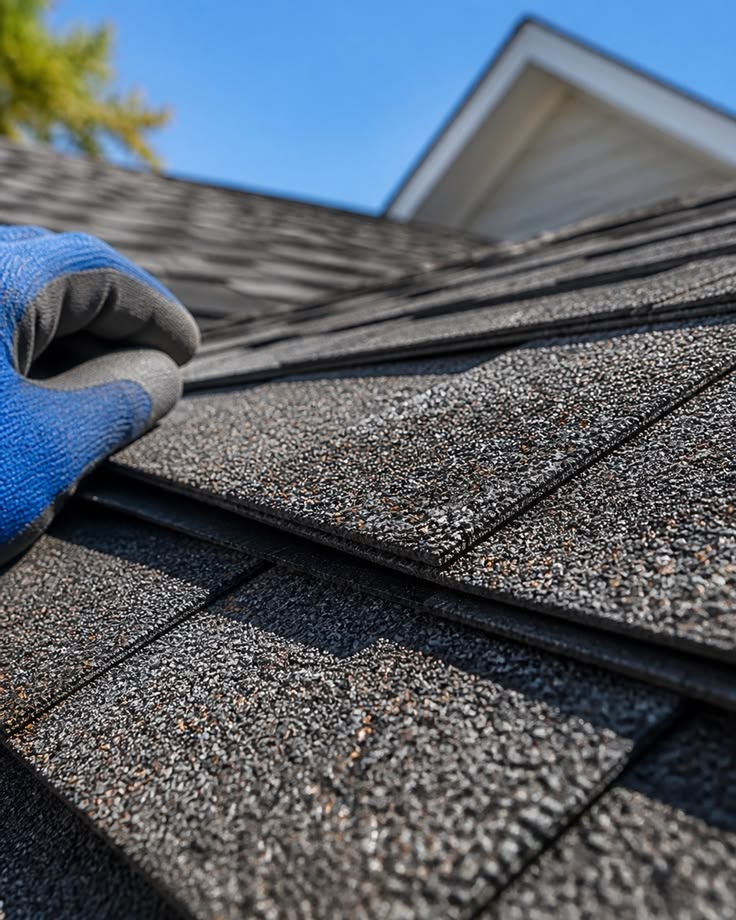
Drainage components also need to work correctly. Gutters, drains, downspouts, slopes, and other features should be considered as part of the overall water-management system.
Ventilation components may also be incorporated where appropriate for the building and roofing assembly. Proper ventilation planning can help manage moisture and airflow within certain roof structures.
A final inspection allows the contractor to review the completed work and identify areas that require additional attention. The finished roof should be examined for installation details, visible defects, flashing, edges, penetrations, and other components.
Cleanup is another important part of completing a roofing project. Roofing materials and construction debris should be removed from the work area, with appropriate attention given to the surrounding property.
A professional installation process is designed to reduce avoidable problems and create a cohesive roofing system. Rushing through preparation or overlooking small details can create issues that may become more difficult to correct later.
Whether installing a roof on a new building or replacing an existing system, careful attention at every stage can help produce a roof that performs properly and complements the property.
Residential and Commercial Roof Installation Services in Woodland Hills
Roof installation requirements vary depending on the type of building. Residential properties often have sloped roofs with shingles or tile, while commercial buildings may have large flat or low-slope surfaces requiring specialized roofing systems.
Residential roof installation begins with an understanding of the home’s design. Roof slope, architectural style, existing construction, drainage, and exterior appearance all influence the project.
Homeowners may choose a new roofing system because they are constructing a property, replacing an aging roof, renovating an existing home, or addressing widespread deterioration. Regardless of the reason, the installation should be planned around the specific characteristics of the building.
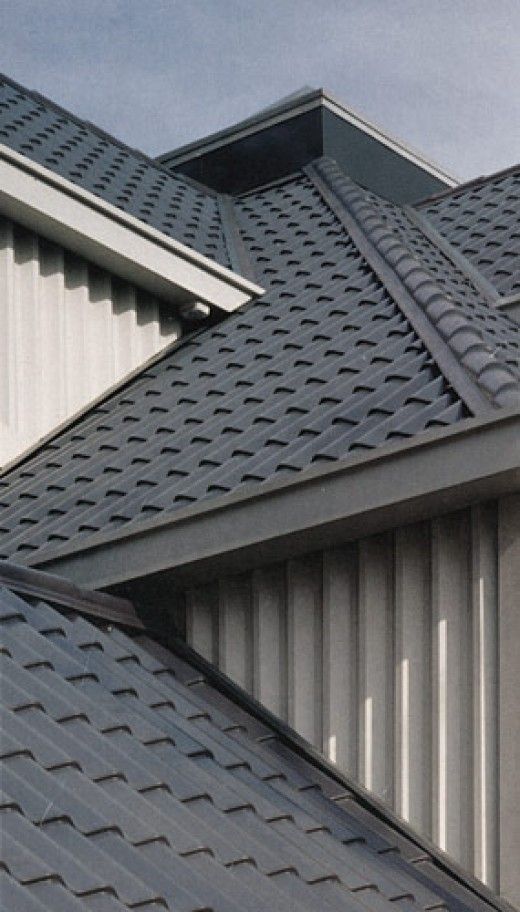
Shingle installation requires careful attention to layout, fastening, edges, valleys, and transitions. Tile installation has its own requirements and may involve additional considerations related to weight, underlayment, flashing, and individual tile placement.
Metal roofing can be used on certain residential and commercial buildings and may require specialized panel installation, fastening, flashing, and seam treatment.
Commercial roofing projects can involve significantly larger surface areas. Flat and low-slope systems are designed to manage water differently from steep-slope roofs, making drainage an especially important consideration.
Commercial buildings may also have rooftop equipment, vents, pipes, HVAC components, skylights, or other penetrations. These features create additional areas where careful flashing and waterproofing details are required.
Business operations are another consideration. Roofing installation may need to be coordinated around employees, customers, tenants, deliveries, parking, equipment, and access. Careful scheduling and project organization can help reduce unnecessary disruption.
Property managers may also want to consider future maintenance when selecting and installing a commercial roofing system. Access, drainage, equipment locations, and other factors can affect how easily the roof can be inspected and maintained.
New construction roofing projects can be coordinated with the broader building process. Proper communication between the roofing contractor and other trades can help ensure that roofing details integrate correctly with walls, mechanical systems, electrical components, and other building elements.
Replacement projects require additional attention to the existing roof. Removing old materials may reveal underlying conditions that need to be addressed. Professional preparation helps ensure that the new system is installed on a suitable surface.
Residential and commercial properties may also have different priorities when selecting roofing materials. Homeowners may focus on appearance, maintenance, and overall property design, while commercial owners may place greater emphasis on durability, drainage, access, and operational requirements.
Regardless of the property type, professional installation is important. The roof is a major building component, and installation details can influence how the system performs.
For anyone seeking residential or commercial roofing installation in Woodland Hills, professional planning can help ensure that the selected roofing system is appropriate for the property.
A well-installed roof can provide protection, contribute to the building’s appearance, and create a foundation for ongoing maintenance. Whether the project involves a family home, rental property, office, retail building, or commercial facility, careful installation can make a significant difference in the finished result.
Quality Roofing Installation Focused on Long-Term Property Protection
A new roof represents a substantial investment, so property owners naturally want the installation to provide reliable performance. Achieving that goal requires attention to the complete roofing system rather than focusing solely on the visible exterior material.
Professional installation begins with accurate planning. Measurements, material quantities, roof configuration, drainage, penetrations, flashing, and other details need to be considered before work begins.
The selected roofing material should be appropriate for the building and installed according to the requirements of that system. A roof is made up of multiple components, and each part has a role in protecting the structure.
Flashing is particularly important around transitions and penetrations. Water must be directed away from vulnerable locations, and properly installed flashing can help support that objective.
Roof valleys and edges also deserve careful attention. These areas experience significant water movement or weather exposure and should be properly integrated into the overall roofing system.
Drainage should remain a priority throughout the project. A roof needs an effective method for moving water away from the structure. Problems with drainage can contribute to water accumulation and potential moisture intrusion.
The condition of the underlying surface should not be overlooked. If damaged or deteriorated materials are covered without appropriate repair, the new roofing system may inherit problems from the previous roof.
Ventilation and moisture considerations can also be relevant depending on the building. A professional installer can evaluate the specific roofing assembly and address applicable requirements.
After installation, ongoing maintenance remains important. A new roof should still be inspected periodically for signs of damage, deterioration, blocked drainage, or other issues. Promptly addressing small concerns can help preserve the roofing system.
Property owners should also keep information about the roofing project, including the materials installed and relevant maintenance details. This can be useful for future inspections and repairs.
A professionally installed roof can also improve the appearance of a property. New roofing materials can refresh the exterior and complement the architectural design.
For Woodland Hills homeowners and businesses, professional roofing installation offers a way to address both immediate and long-term property needs. Whether you are installing a roof on new construction or replacing an older system, choosing the appropriate materials and installation methods is essential.
A successful roofing project should provide a complete system rather than a collection of individual materials. Proper preparation, installation, flashing, drainage, ventilation considerations, and finishing details all work together.
For Woodland Hills property owners, understanding the installation process can make it easier to know what to expect from a roofing project. Professional planning, proper preparation, skilled installation, and final inspection all contribute to a successful result.
If your existing roof has reached the point where repair is no longer practical, a professional installation assessment can help determine what type of replacement system may be appropriate. If you are building a new property, an experienced roofing contractor can help integrate the roofing system with the building’s overall design.
The objective is straightforward: create a roofing system that is properly installed, suited to the property, and maintained over time.
For those searching for roofing installation in Woodland Hills, professional service can provide support throughout the entire process, from evaluating the building and selecting materials to installing the new roof and completing the final inspection.
A carefully planned and professionally installed roof is an important investment in the protection, appearance, and long-term maintenance of your property.
323-794-1188

